
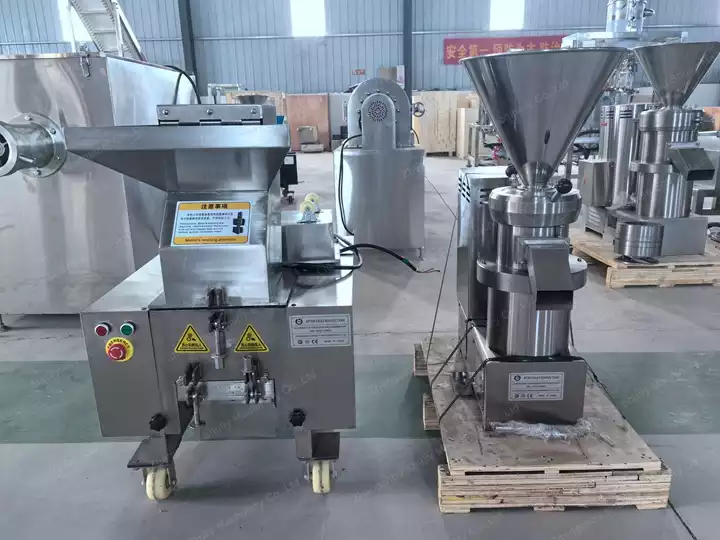
African slaughterhouses and abattoirs generate large quantities of animal by-products, including chicken carcasses, pork bones, fish bones, and meat trimmings. Instead of treating these materials as waste, businesses can process suitable raw materials into bone paste for potential commercial use.
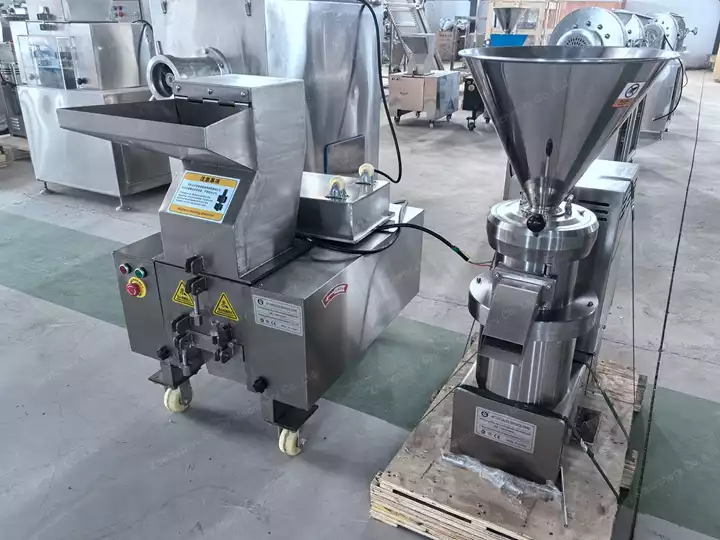
An animal bone paste grinder helps slaughterhouses reduce waste, improve resource utilization, and create additional revenue opportunities. For larger bones and continuous production, a complete bone processing line with a bone crusher and bone paste grinder can provide a more efficient solution.
Why Do African Abattoirs Need an Animal Bone Paste Grinder?
In many African markets, slaughterhouses, poultry processing plants, and meat processors need practical ways to manage animal by-products. Improper handling can increase disposal costs, create unpleasant odors, and cause environmental problems.
An animal bone paste grinder offers a way to process suitable bone materials into a finer, more uniform product, depending on the machine configuration and raw material.
The main benefits include:
- Reduce waste: Process suitable chicken carcasses, fish bones, and other animal by-products instead of discarding all of them.
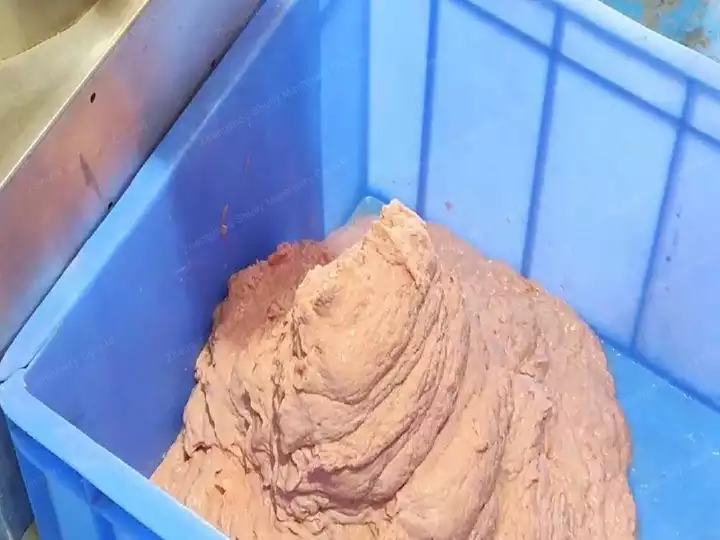
- Create value-added products: Convert selected raw materials into bone paste that may serve as an ingredient for approved industrial or feed applications.
- Improve resource utilization: Recover usable materials from slaughterhouse by-products.
- Support business expansion: Establish a dedicated bone processing operation alongside existing slaughterhouse activities.
For African abattoirs handling large volumes of by-products, bone processing equipment can support a more resource-efficient business model.
What Raw Materials Can a Bone Paste Grinder Process?
The raw materials a bone paste grinder can handle depend on its grinding structure, motor power, feed size, and processing capacity.
1. Chicken Carcasses and Poultry Bones
Poultry processing plants produce chicken frames, necks, and other bone-containing by-products. After appropriate sorting and preparation, compatible materials can be processed using suitable crushing and grinding equipment.
For poultry slaughterhouses, this approach can help recover usable materials from chicken processing residues.
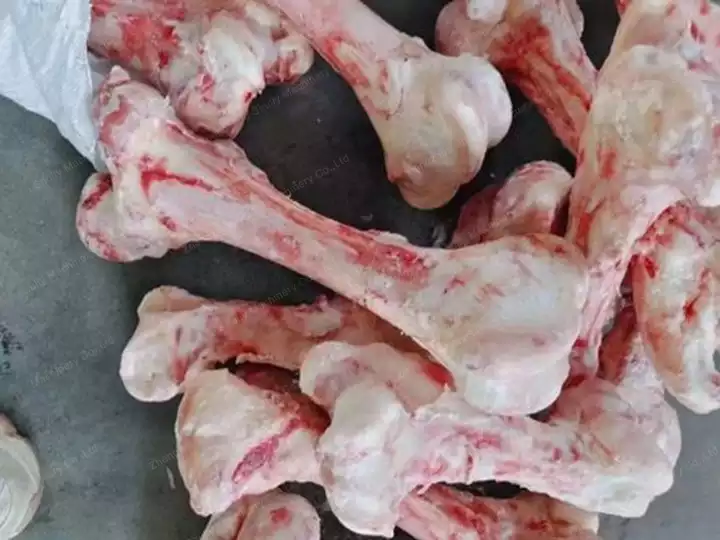
2. Pork Bones and Other Large Animal Bones
Pig bones and other large animal bones are harder and may require preliminary size reduction before fine grinding.
A heavy-duty bone crusher can break suitable bones into smaller pieces, making them easier to feed into the next processing stage. The equipment must be selected according to bone hardness, maximum feed size, and required output fineness.
3. Fish Bones and Fish Processing Residues
Fish processing facilities generate bones, frames, and other by-products. A compatible grinding system can process suitable fish residues into a finer material for potential downstream applications.
Because fish bones differ significantly from large mammal bones in size and structure, processing requirements should be confirmed before selecting the machine.
Bone Crusher + Bone Paste Grinder: A Complete Processing Solution
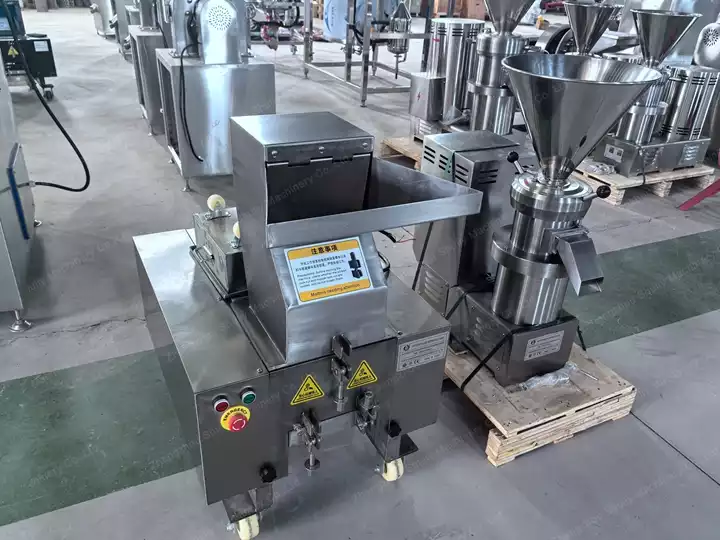
For slaughterhouses that handle mixed or large bone materials, purchasing a bone paste grinder alone may not be sufficient. A two-stage processing line can improve feed consistency and reduce the burden on the fine-grinding equipment.
Stage 1: Bone Crushing
Der Knochenzerkleinerer breaks suitable large bones into smaller pieces. This preliminary step helps control the feed size and prepares the material for further processing.
The crusher should be selected according to the type of bones, maximum input dimensions, and required crushing capacity.
Stage 2: Bone Paste Grinding
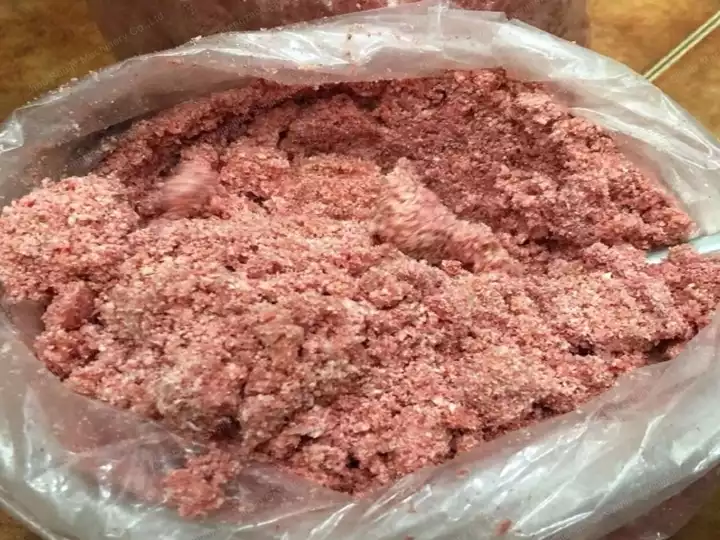
The crushed material enters the bone paste grinder, where the grinding mechanism further reduces particle size to achieve the required consistency.
The final result depends on the raw material, machine design, feed preparation, and grinding settings. If a smooth paste is required, confirm the achievable fineness with the supplier through a material test.
Stage 3: Collection and Subsequent Handling
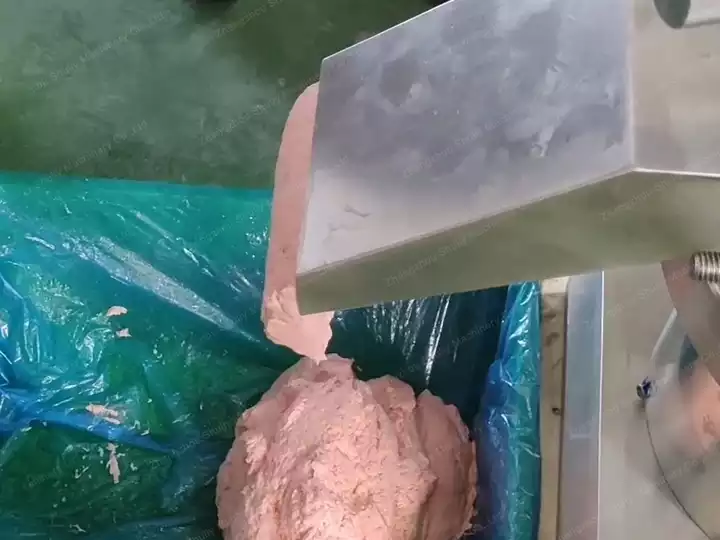
After grinding, the processed material is collected in suitable containers and transferred to the next processing stage.
Depending on its intended use, additional screening, mixing, preservation, or other treatment may be necessary. Storage and handling procedures should be designed to prevent contamination and spoilage.
How to Choose the Right Bone Paste Grinding Line for an African Abattoir?
Before purchasing an animal bone paste grinder, slaughterhouse owners should evaluate several important factors.
1. Processing capacity
Estimate the daily quantity of bones and other by-products generated by the facility. Choose a line that can handle the required throughput without creating unnecessary idle capacity.
2. Bone type and hardness
Chicken bones, fish bones, and large pork bones have different processing requirements. Tell the supplier exactly which materials you intend to process.
3. Required output fineness
Define whether the final product should be coarse ground material, fine bone particles, or a paste-like consistency. Request a processing test when possible.
4. Electrical supply and installation
Check the local voltage, frequency, phase, available installation space, and operating conditions before confirming the equipment configuration.
5. Cleaning and maintenance
Animal by-product processing requires careful sanitation. Consider equipment accessibility, cleaning procedures, wear parts, and the availability of technical support.
What Can Bone Paste Be Used For?
Processed animal bones may have potential applications in approved animal-feed ingredients, pet-food manufacturing, rendering, or other industrial processing. However, the appropriate market depends on the composition and microbiological safety of the material, local regulations, and the buyer’s specifications.
Bone paste should not automatically be considered suitable for direct feeding or food use. Depending on its intended application, further heat treatment, quality testing, or processing may be required. Slaughterhouses should verify applicable veterinary, food-safety, environmental, and feed regulations before selling the finished material.
Turn Slaughterhouse By-Products into Business Opportunities
An animal bone paste grinder for African slaughterhouses and abattoirs can help businesses make better use of suitable animal by-products and explore additional revenue streams. For facilities processing different types of bones or handling large bones, a complete line combining a bone crusher and bone paste grinder may be a more practical choice than a standalone grinder.
When selecting equipment, consider raw material type, daily processing volume, output fineness, power supply, and downstream product requirements. With the right configuration and compliant processing procedures, slaughterhouses can reduce avoidable waste and improve the value recovered from their operations.
Contact us to discuss your bone processing requirements. Share your raw material types, expected capacity, and target output, and we can help you identify a suitable bone crushing and grinding solution.

