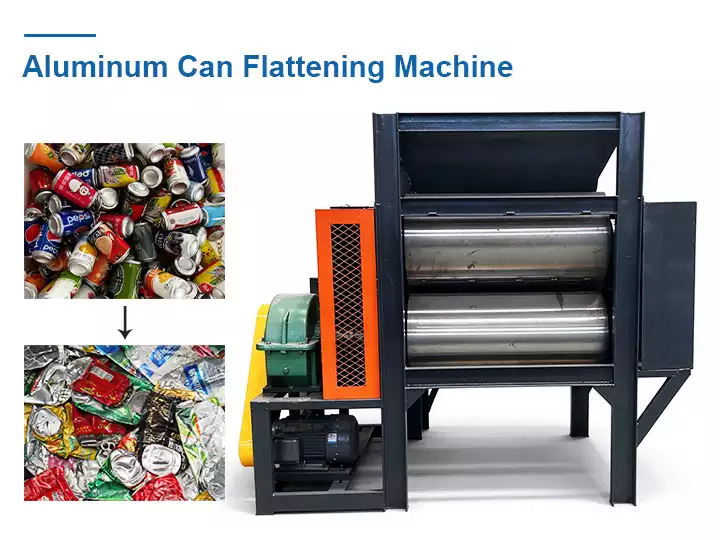
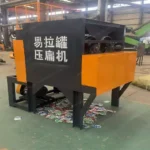


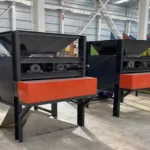
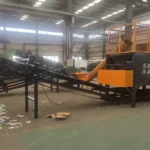
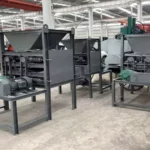
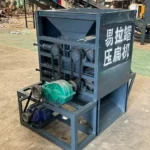
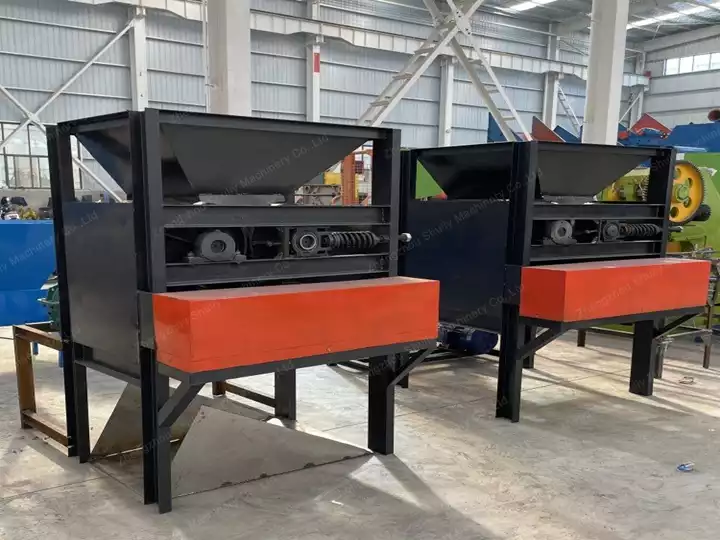
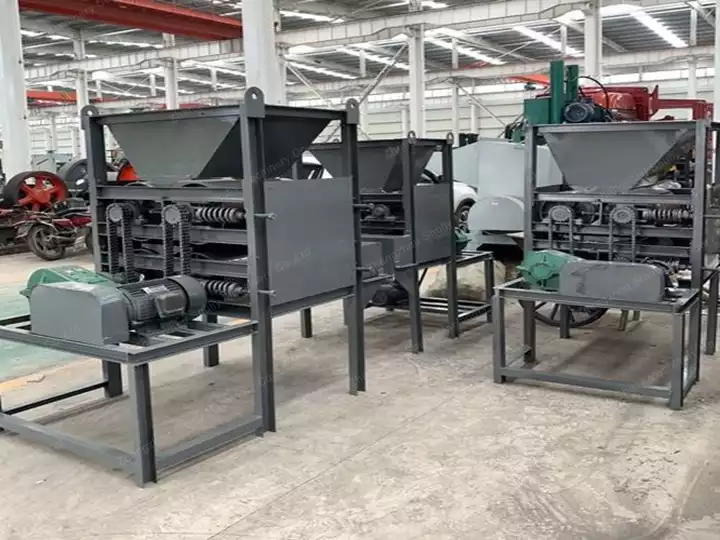
An aluminum can flattening machine is designed to crush and flatten waste beverage cans, reducing their volume for easier collection, storage, and transportation. Powered by a hydraulic system, this machine uses a double-roller crushing structure to process cans efficiently.
With thickened steel construction, adjustable roller spacing, a copper motor, and a reliable reduction gearbox, it is suitable for recycling businesses, scrap metal yards, and waste management facilities that need a practical solution for aluminum can recycling.
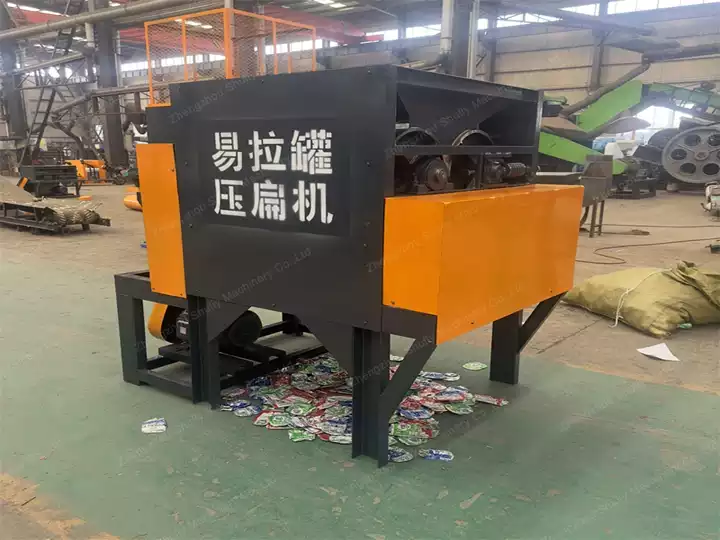
What Is an Aluminum Can Flattening Machine?
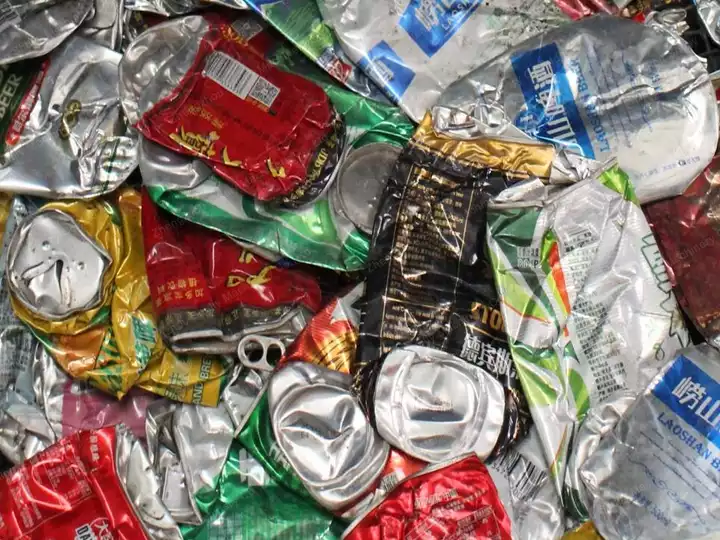
An aluminum can flattening machine is a type of recycling equipment used to reduce the volume of discarded aluminum cans. Instead of handling bulky, empty cans in their original shape, operators can feed them into the machine and flatten them through a roller-based compression process.
This equipment helps recycling businesses handle large quantities of beverage cans while making better use of storage and transportation space. It can also reduce the amount of manual work required to flatten cans individually.
Unlike an aluminum can baler, which compresses loose cans into compact bundles, a can flattening machine primarily focuses on flattening individual cans or batches of cans. The finished material is easier to collect and transport to downstream recycling facilities.
How Does the Aluminum Can Flattening Machine Work?
The machine uses a hydraulic power system and a double-roller structure to flatten aluminum cans.
Step 1: Feed the cans. Collect and sort waste beverage cans, removing unsuitable materials before feeding them into the hopper.
Step 2: Adjust the roller spacing. Set the roller gap according to the can dimensions and the required flattening effect. The adjustable design allows operators to make fine adjustments for different materials.
Step 3: Flatten the cans. The drive system transfers power through the reduction gearbox and transmission components, rotating the rollers to compress the cans as they pass through the crushing area.
Step 4: Collect the flattened cans. The processed cans are discharged from the machine for temporary storage, transportation, or further recycling.
The actual operating procedure depends on the machine configuration. Operators should follow the manufacturer’s instructions and keep hands and other body parts away from the feed opening and moving rollers.
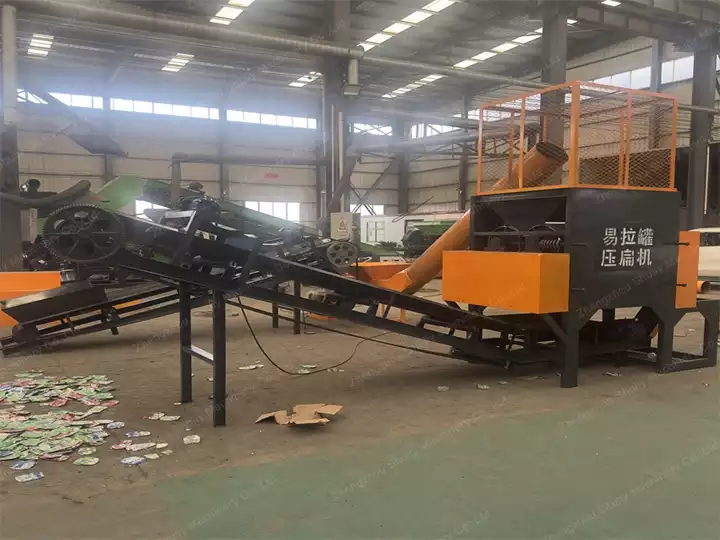
Key Features of the Aluminum Can Compactor Machine
1. Thickened Steel Structure for Durability
The machine features a robust steel frame designed to support the roller assembly and withstand the mechanical loads generated during operation. Its sturdy construction helps maintain structural stability during continuous processing.
For recycling businesses that handle waste cans regularly, a durable frame is important for reliable equipment performance and long-term use.
2. Double-Roller Flattening System
The double-roller design processes cans through a controlled compression gap. The cans pass between the rollers and are flattened through mechanical pressure.
Compared with manual flattening, this system provides a more consistent processing method and can reduce repetitive labor. The final flattening effect depends on the roller configuration, gap setting, and dimensions of the cans.
3. Hydraulic Power System
The machine uses hydraulic power as its primary power source for the compression operation. Hydraulic systems can provide controlled force for heavy-duty material processing, depending on the system design.
This configuration is suitable for applications that require reliable compression performance. The hydraulic system should be operated within the manufacturer’s specified pressure and operating limits.
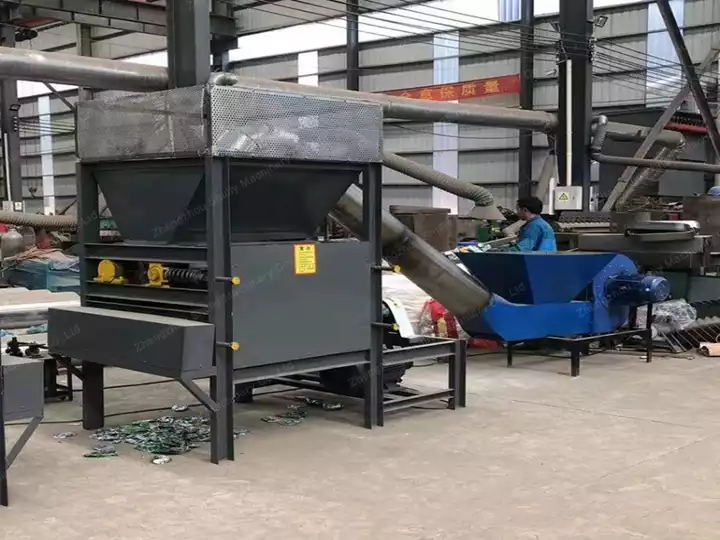
4. High-Quality Copper Motor
The machine is equipped with a copper motor that supplies power to the drive system. A properly matched motor helps maintain stable power transmission and supports reliable operation.
Motor power and electrical specifications should be selected according to the machine model and the customer’s local power supply.
5. Reduction Gearbox for Stable Transmission
The reduction gearbox reduces rotational speed and increases the output torque available to the transmission system. This helps the rollers operate at a suitable speed for can flattening.
The gearbox works with the motor and transmission components to provide controlled mechanical movement during processing.
6. Adjustable Roller Spacing
Different cans may vary in diameter, height, and material thickness. The adjustable roller gap allows operators to fine-tune the spacing according to the material and desired flattening result.
This feature offers greater flexibility when processing different sizes of aluminum beverage cans. The allowable adjustment range depends on the machine design.
7. Spring-Based Shock Absorption
The machine incorporates a spring-based compression and shock-absorption structure. The springs provide elastic support and help accommodate certain variations in loading conditions.
This design can help reduce the impact of material loading on the machine structure and support smoother operation. Operators should still remove unsuitable materials that could cause blockages or excessive loads.
What Materials Can an Aluminum Can Flattening Machine Process?
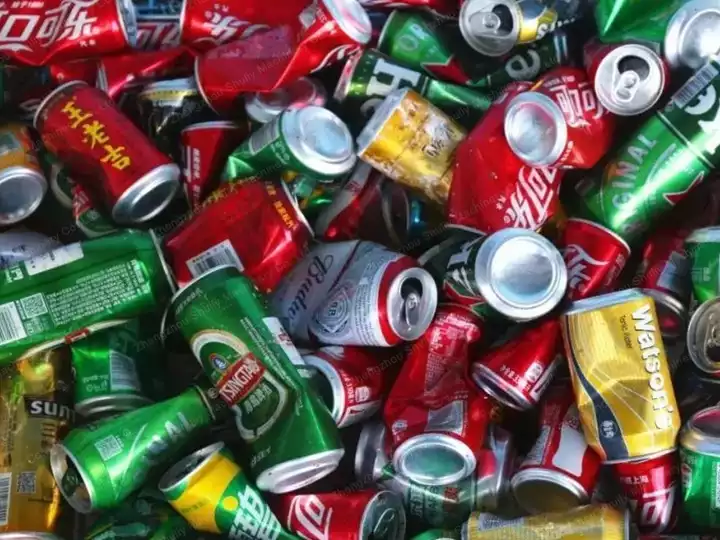
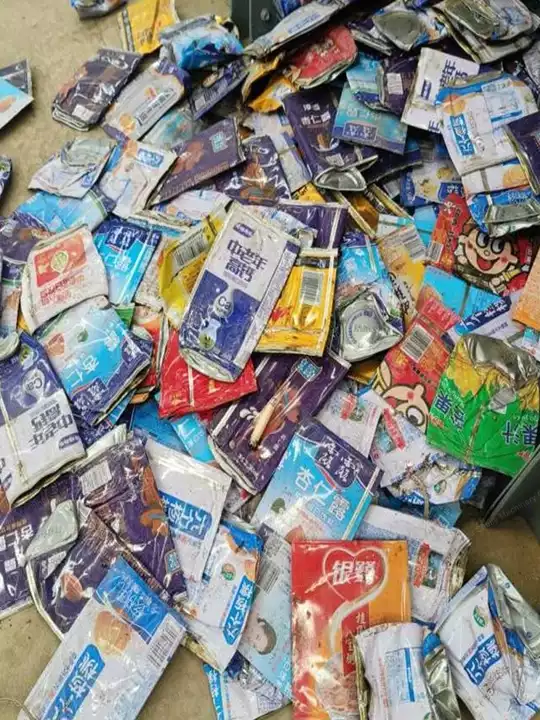
This aluminum can crusher machine is primarily intended for aluminum beverage cans, including:
- Soda cans
- Beer cans
- Energy drink cans
- Other empty aluminum beverage cans of compatible sizes
Before processing, cans should be emptied of residual liquids and checked for unsuitable contents. Material sorting helps protect the machine and improves the consistency of the finished output.
Although the machine is designed for aluminum cans, it should not automatically be assumed to process every type of metal container. Steel cans, thick-walled containers, sealed cans, and other metal products may require different equipment or prior testing. Contact the manufacturer to confirm material compatibility and the maximum feed dimensions.
Applications of the Aluminum Can Flattening Machine
An aluminum can flattening machine can support several waste management and recycling applications.
Aluminum can recycling centers: Flatten collected beverage cans to reduce their volume before storage and transportation.
Scrap metal recycling yards: Process loose aluminum cans more efficiently and simplify the handling of recyclable metal waste.
Beverage manufacturers: Handle suitable waste cans generated during production or internal material collection.
Hotels, restaurants, and commercial facilities: Reduce the space occupied by accumulated empty beverage cans before collection by a recycling service.
Waste management companies: Improve the handling of collected cans as part of a broader waste sorting and recycling process.
The appropriate machine size depends on the daily quantity of cans, required processing capacity, available installation space, and downstream recycling arrangements.
Technical Specifications
The following parameters should be confirmed for the specific machine model before publication.
| Parameter | Specification |
|---|---|
| Machine Name | Aluminum Can Flattening Machine |
| Main Application | Aluminum Can Flattening and Recycling |
| Power System | Hydraulic |
| Flattening Structure | Double-Roller System |
| Main Frame | Thickened Steel Structure |
| Drive Components | Motor and Reduction Gearbox |
| Roller Spacing | Adjustable |
| Shock Absorption | Spring-Based Structure |
| Applicable Materials | Compatible Aluminum Beverage Cans |
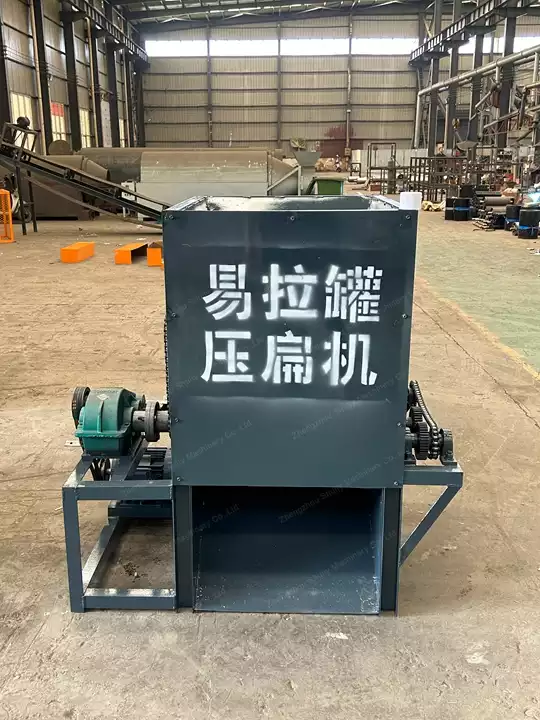
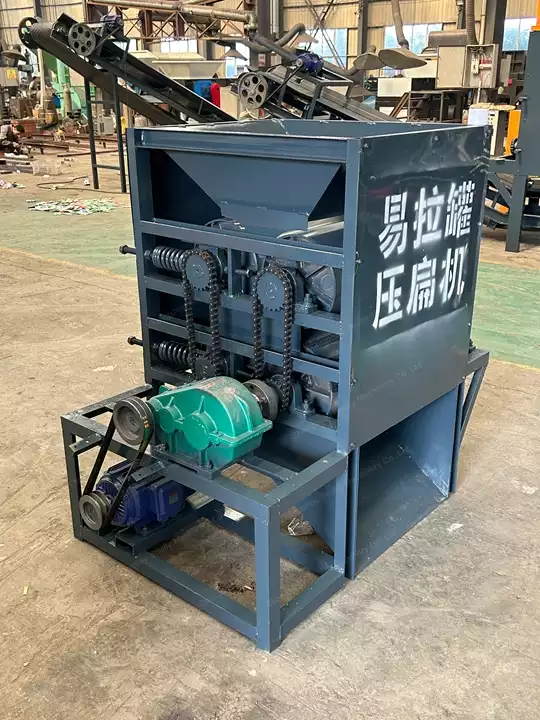
Can Flattening Machine Parameters
| Modelo | Dimension (mm) | Potência do motor | Roller Diameter | Flake Thickness | Capacidade |
| SL-cf-400 | 1040*1270*1500 | 3kw | 299mm | 1-2mm | <100kg/h |
| SL-cf-600 | 1080*1430*1600 | 4kw | 299mm | 1-2mm | <180kg/h |
| SL-cf-600-1 | 1280*1510*1850 | 7,5kw | 406mm | 1-2mm | <260kg/h |
| SL-cf-800 | 1750*1250*1900 | 7,5kw | 406mm | 1-2mm | <300kg/h |
| SL-cf-1000 | 2050*1300*2000 | 11kw | 406mm | 1-2mm | <500-700kg/h |
| SL-cf-1000-1 | 2300*1570*2200 | 15kw | 508mm | 1-2mm | <1100-1300kg/h |
| SL-cf-1200 | 2300*1450*2000 | 11kw | 406mm | 1-2mm | <700-900kg/h |
| SL-cf-1200-1 | 2695*1600*2250 | 15kw | 560mm | 1-2mm | <1800-2000kg/h |
| SL-cf-1500 | 3000*1560*3020 | 15kw | 560mm | 1-2mm | <2000-2600kg/h |
How to Choose the Right Aluminum Can Flattening Machine?
Before purchasing an aluminum can compactor, consider the following factors.
Processing capacity: Estimate the number or weight of cans generated each day. Select a machine that matches your expected workload and operating hours.
Can dimensions: Check the diameter, height, and material thickness of the cans you need to process. Confirm that the feed opening and roller gap can accommodate them.
Flattening requirements: Determine the desired finished shape and degree of volume reduction. If you need tightly compressed bundles for bulk transportation, an aluminum can baler may be more suitable.
Installation conditions: Confirm the machine dimensions, maintenance access, electrical requirements, and hydraulic system requirements before installation.
Maintenance and service: Ask about lubrication, roller inspection, gearbox maintenance, hydraulic system servicing, and the availability of replacement parts.
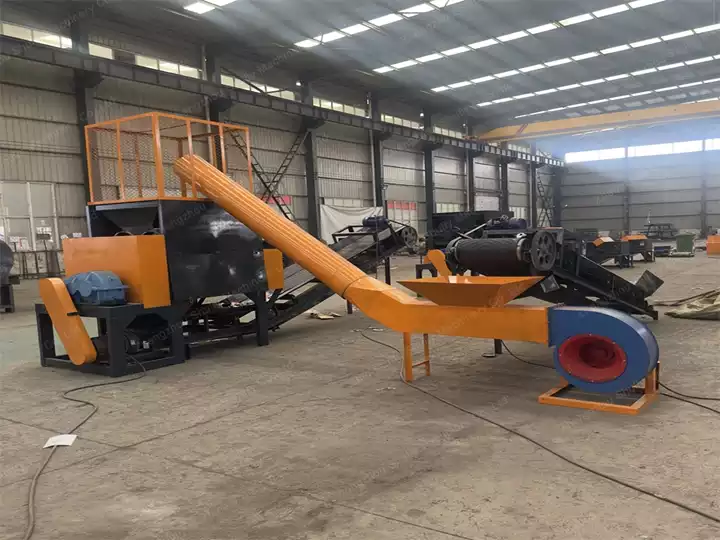
Choosing equipment according to your actual material and operating conditions helps avoid capacity mismatches and unnecessary operating costs. Besides, we also offer other metal recycling equipment, such as shredders, metal balers, and more.
Contact Us for an Aluminum Can Flattening Machine
Looking for an aluminum can flattening machine for your recycling business? Tell us about your can types, daily processing volume, and operating requirements. Our team can help you evaluate the appropriate machine configuration and provide technical details to support your equipment selection.