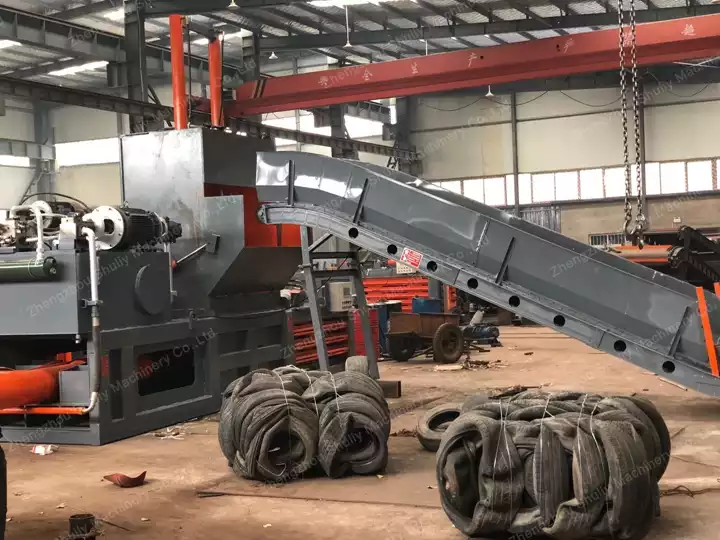
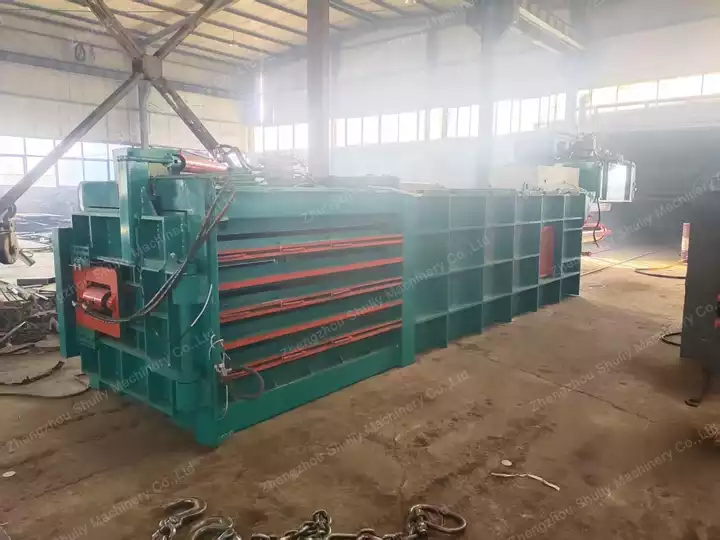
Choosing the right hydraulic tire baler is important for controlling equipment costs and maintaining efficient waste tire processing. A machine that is too small may not meet your daily demand, while an oversized baler can increase the initial investment.
The right choice depends on your tire baler capacity, daily tire volume, tire type, working hours, compression force, and required bale size.
This guide explains how to choose a waste tire baling machine for businesses processing 1–2 tons, 5 tons, 10+ tons, or larger quantities of waste tires per day.
How to Calculate the Required Tire Baler Capacity?
Start with your daily waste tire volume and effective working hours.
Required hourly capacity = Daily processing volume ÷ Effective working hours
For example, a business processing 5 tons of waste tires during 8 effective working hours needs an average capacity of about 625 kg/h.
In practice, choose a machine with some additional capacity because actual operation also includes feeding, compression, unloading, and material handling.
Therefore, the rated tire baler capacity should not be exactly equal to your calculated minimum.
What Size Tire Baler Do I Need?
The following ranges provide a general reference:
| Business Scale | Daily Waste Tires | General Recommendation |
|---|---|---|
| Small tire recycling business | 1–2 tons/day | Small or medium hydraulic tire baler |
| Medium recycling business | Around 5 tons/day | Medium-capacity tire baling machine |
| Large recycling business | Around 10 tons/day | High-capacity hydraulic tire baler |
| Large-scale tire recycling plant | 10+ tons/day | Heavy-duty baler or multiple machines |
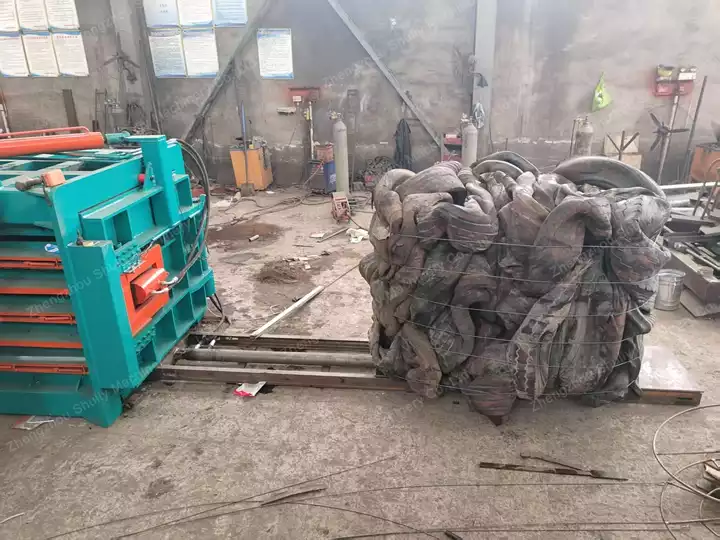
The final model should also be selected according to tire dimensions, bale requirements, and working conditions.
Hydraulic Tire Baler for 1–2 Tons per Day
For a small tire recycling business processing 1–2 tons/day, a compact hydraulic baler can provide sufficient capacity without occupying excessive floor space.
Key specifications to check include:
- Compression force
- Feeding chamber size
- Bale dimensions
- Bale weight
- Working cycle
- Potência do motor
- Machine footprint
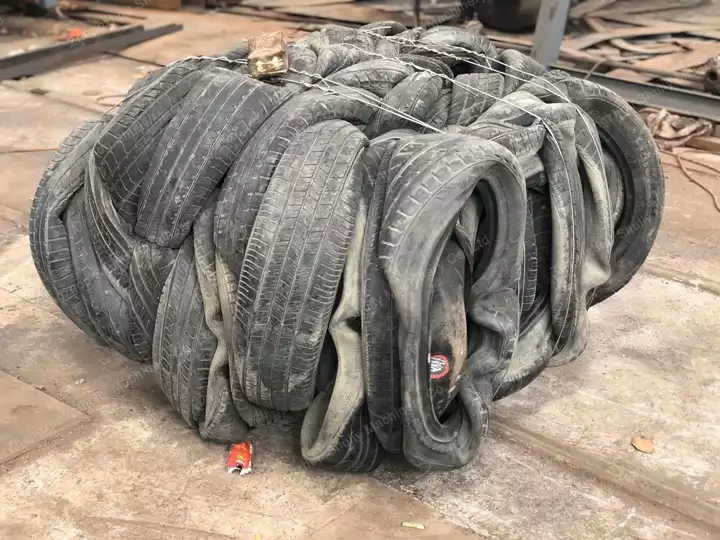
If the main purpose is to reduce the volume of loose tires for storage and transportation, a compact tire baler for recycling can be a practical solution.
What Tire Baler Do I Need for 5 Tons per Day?
For approximately 5 tons/day, calculate the required hourly capacity first. At 8 effective working hours, the average requirement is about 625 kg/h.
However, the machine should have a reasonable capacity margin to compensate for loading and unloading time.
At this production level, pay particular attention to:
- Compression Force. The hydraulic system must provide sufficient force for the tire sizes and bale density you require.
- Feeding Size. Check whether the chamber can accommodate your passenger car, truck, or mixed-size tires.
- Bale Size and Weight. Bale dimensions and weight directly affect storage, forklift handling, stacking, and transportation.
- Cycle Time. A complete cycle includes feeding, compression, opening, and unloading. Shorter cycle times can improve actual production efficiency.
Hydraulic Tire Baler for 10+ Tons per Day
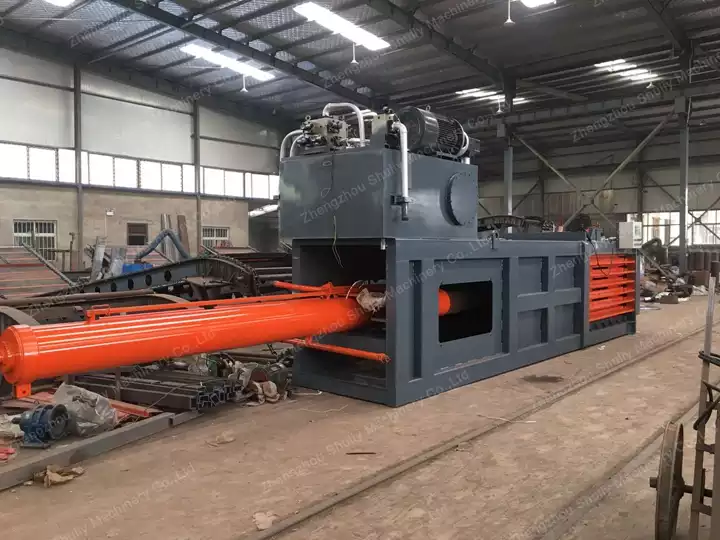
A business processing 10 tons or more per day should consider a heavy-duty waste tire baling machine designed for higher production requirements.
For large recycling plants, machine capacity is only part of the equation. The complete workflow should also be considered:
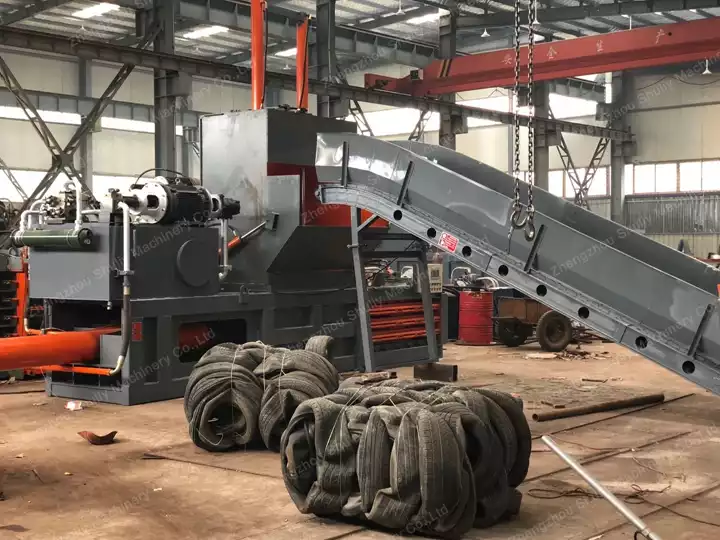
Tire feeding → Hydraulic compression → Bale formation → Unloading → Storage or transportation
If feeding or unloading is slow, the actual output may be significantly lower than the machine’s rated capacity.
For high-volume operations, useful features may include:
- High compression force
- Short working cycle
- Large feeding chamber
- Durable hydraulic components
- Automatic or semi-automatic operation
- Easy bale unloading
- Conveyor integration
Key Parameters to Check Before Buying
Besides capacity, compare these specifications when choosing a hydraulic tire baler.
1. Compression Force
The compression force determines how effectively loose tires can be compacted and should match your tire type and desired bale density.
2. Feeding Chamber
The chamber must be suitable for the largest tire you intend to process. Truck and passenger car tires may require different configurations.
3. Bale Dimensions
Choose a bale size that fits your warehouse, forklift, and transportation system.
4. Bale Weight
The finished bale should be compatible with your available lifting and handling equipment.
5. Power Supply
Confirm motor power, voltage, frequency, and phase before installation, especially for international projects.
Whole Tires or Shredded Tires?
Before buying a tire baler for recycling, determine whether you want to compress whole tires or process shredded material.
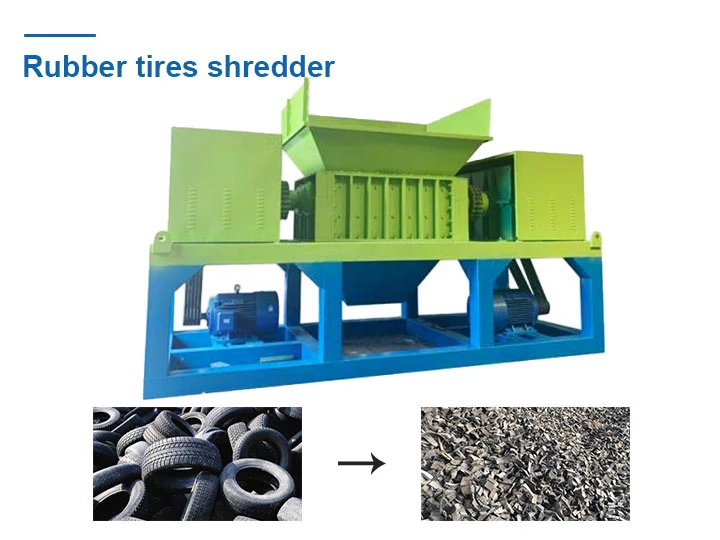
A hydraulic tire baler is primarily designed to compress and bundle tires, while a tire shredder cuts tires into smaller pieces.
| Equipment | Main Function |
|---|---|
| Hydraulic tire baler | Compresses tires into compact bales |
| Tire shredder | Cuts tires into smaller pieces |
| Tire recycling line | Combines multiple processing stages |
If your main objective is reducing the storage and transportation volume of waste tires, a baler may be sufficient without installing a complete shredding line.
One Large Baler or Multiple Smaller Machines?
Large recycling plants can choose between one high-capacity baler and several smaller machines.
A single large baler can simplify equipment management and reduce the number of machines in the production area.
Multiple small tire balers provide greater flexibility and can help maintain production if one machine requires maintenance.
The better solution depends on daily volume, available space, labor, investment budget, and production continuity.
How to Choose the Right Hydraulic Tire Baler?
Before requesting a quotation, prepare the following information:
- Daily tire volume: tons/day
- Tire type: passenger, truck, or mixed tires
- Working hours: hours/day
- Required bale size: length × width × height
- Desired bale weight
- Power supply: voltage, frequency, and phase
With this information, a manufacturer can recommend a suitable hydraulic tire baler instead of simply offering the largest model.
Get a Suitable Tire Baler for Your Business
The right waste tire baling machine should match your actual processing volume and operating conditions.
For 1–2 tons/day, focus on compact equipment. For around 5 tons/day, calculate the hourly requirement and leave sufficient capacity margin. For 10+ tons/day, consider heavy-duty equipment and optimize the entire feeding and bale-handling process.
Send us your daily tire volume, tire type, working hours, and desired bale size to get a suitable machine configuration and quotation.